
America is facing a profound and growing mental health workforce shortage. At the very moment when awareness of emotional wellbeing has become more mainstream, access to care remains painfully limited for millions of people. The Commonwealth Fund reports that while nearly half of Americans will have a need for behavioral health care at some point in their lifetime, we have historic underinvestment in care systems, fewer than half of people with mental illness are able to access care, and more than 160 million people live in communities lacking adequate access to providers.
The challenge is expected to intensify in the coming decade. The U.S. Health Resources and Services Administration projects severe shortages across major behavioral health professions by 2038, including shortages of approximately 99,840 psychologists, 99,780 mental health counselors, and 43,810 psychiatrists. As a result, the American Psychiatric Association warns that the supply of adult psychiatrists is projected to decline significantly by 2030, contributing to a shortage of more than 12,000 psychiatrists nationwide.
Demand for care is rising; the National Association for Mental Health (NAMI) reports that more than 61 million American adults experienced mental illness in 2024, and nearly one in four adults with mental illness reports an unmet need for treatment. Communities are facing long waitlists, provider burnout, geographic disparities, and cost barriers to timely support.
This reality creates a national challenge, but more importantly, it provides a remarkable opportunity.
Young people today are uniquely poised to lead the future of mental health and emotional wellbeing work. Unlike previous generations, many young adults have grown up speaking more openly about anxiety, depression, stress, loneliness, suicide, and emotional resilience. There is a newfound comfort level in many segments of young society in discussing mental health without shame or stigma. That openness matters. It builds empathy. It creates trust. And it equips this generation to support others in deeply human ways.
Many young people also bring lived experience to this work. They understand firsthand the emotional pressures facing their peers — from social isolation and digital overwhelm to academic stress and tremendous uncertainty about the future. Those experiences can become powerful assets in careers centered on healing, listening, connection, and care.
Mental healthcare also offers meaningful and financially sustainable careers. These professions offer opportunities for stable, family-sustaining work in fields that society urgently needs. In an era increasingly shaped by automation and artificial intelligence, mental health care remains fundamentally human-to-human work: relational, empathetic, and nuanced. Whether as psychiatrists, psychologists, therapists, social workers, counselors, peer specialists, or community mental health leaders, the next generation has a remarkable opportunity to build careers combining purpose with long-term professional stability.
At the LSP Family Foundation, we believe society must create the conditions for all people — especially young people — to imagine lives filled with meaning, hope, purpose, and connection. That is why we were proud to support, alongside Pinterest, lululemon, and Strada Education Foundation, Roadtrip Nation’s breathtaking documentary film, Where Wellbeing Grows.
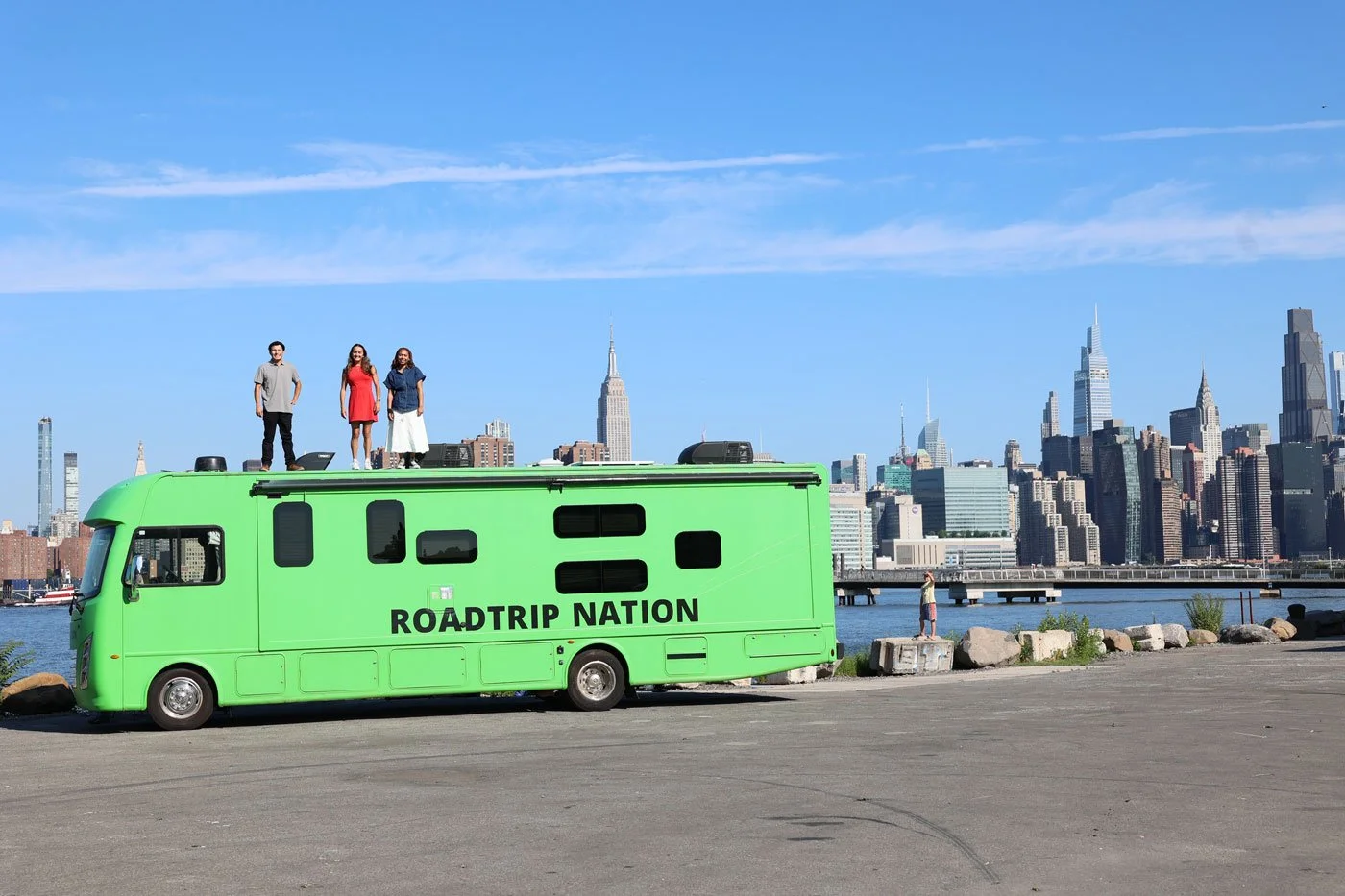
The film introduces young people to meaningful careers in mental health and emotional wellbeing through the power of storytelling. For more than two decades, Roadtrip Nation has helped young adults navigate uncertainty and discover purpose by hearing directly from people building lives of meaning and contribution. Where Wellbeing Grows extends that mission into one of the most urgent and important workforce needs of our time.
We believe storytelling can open doors — especially for young people trying to envision futures that may not yet feel visible or accessible. The future of mental health care will depend not only on policy, funding, and institutions, but on inspiring talented young people to see themselves in this work.
This generation is ready. The country needs them. And the opportunity to build a more compassionate future has perhaps never been greater.